
Top Renewable Energy Sources for Global Buyers?

As the world shifts toward sustainability, renewable energy sources are gaining attention. Dr. Sarah Green, a leading expert in renewable energy policy, states, "Embracing renewable energy leads us toward a sustainable future." This sentiment reflects a growing consensus among global buyers. They are increasingly seeking cleaner, sustainable energy options.

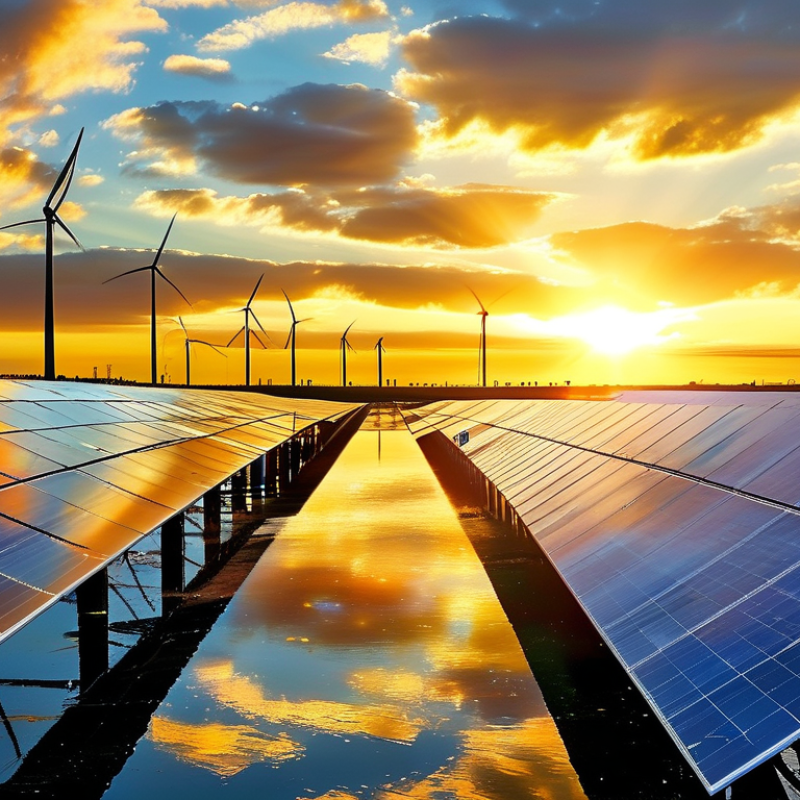
Solar, wind, and hydroelectric power are at the forefront. These sources not only reduce carbon footprints but also offer energy security. Countries with abundant sunlight and strong winds are well-positioned for growth in this industry. However, challenges remain. The intermittent nature of solar and wind energy can complicate energy supply stability.

Investors must also navigate technology costs and infrastructure needs. Reliable data is essential for efficient decision-making. As the market expands, understanding these renewable energy sources will be crucial. It is a dynamic field that requires ongoing assessment and adaptation. The potential is vast, but it is important to reflect on the hurdles that still exist.
Top Renewable Energy Sources for Global Buyers?

Overview of Renewable Energy Sources in Global Markets

The global market for renewable energy sources is diversifying rapidly. Wind and solar power continue to lead investment trends. According to the International Energy Agency (IEA), global investments in renewable energy reached $282 billion in 2020. Solar alone accounted for approximately 48% of these investments. This trend demonstrates a strong shift towards sustainable energy solutions.

Geographically, Europe and Asia dominate the renewable energy landscape. In 2021, Europe produced nearly 40% of its electricity from renewable sources, with wind energy being a significant contributor. Meanwhile, China has emerged as the world's largest producer of solar energy, harnessing over 250 GW of capacity. However, not all regions benefit equally. Some nations face challenges in infrastructure and financing that hinder their growth.

Market volatility poses another risk. Fluctuations in material costs can impact renewable technology adoption. The demand for lithium for batteries, for example, has surged, causing price hikes that complicate energy transitions. Stakeholders must navigate these complexities while embracing innovations to enhance efficiency and reduce costs.

Key Solar Energy Technologies and Their Global Adoption Rates

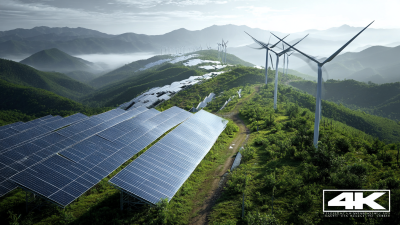
Solar energy technologies have seen significant global adoption in recent years. According to the International Energy Agency, global solar capacity reached approximately 1,200 gigawatts in 2020. This remarkable growth is driven by decreasing costs and rising efficiency. The cost of solar photovoltaic (PV) modules has dropped by over 80% since 2010. Many countries are investing heavily in solar infrastructure.


In 2021, the growth rate of solar PV installations was around 22%. Countries like China, the US, and India led the charge. However, challenges remain. Some regions struggle with integration into existing energy grids. Additionally, the intermittent nature of solar energy requires effective storage solutions. While technologies like lithium-ion batteries improve, they are not yet universally accessible.


Industry reports highlight the increasing demand for solar technology. Yet, 30% of surveyed companies face supply chain issues. The complexity of solar projects can lead to delays and cost overruns. Decision-makers must weigh these factors against long-term benefits. Investing in adaptable technologies and infrastructure is essential for maximizing the potential of solar energy worldwide.

Wind Energy: Potential and Market Dynamics for Global Buyers

Wind energy stands out as a leading renewable energy source in today's market. According to the Global Wind Energy Council (GWEC), the total installed wind capacity reached 743 gigawatts (GW) in 2022. This figure reflects a nearly 10% increase from the previous year. Such growth indicates a robust demand driven by the pursuit of cleaner energy sources.

The wind energy market's dynamics reveal a deep potential for global buyers. Nations are investing heavily in this technology. In the USA, recent regulatory shifts aim to support wind energy expansion. A report from the International Energy Agency (IEA) projects onshore wind to become a major player. It could generate over 30% of the global electricity by 2040 if current trends continue.

However, challenges persist in this industry. While wind energy is abundant, its intermittent nature raises concerns. Energy storage solutions are not yet fully developed. Price fluctuations in raw materials can affect wind turbine manufacturing, making it essential for buyers to stay informed. The market is promising but requires careful navigation.

Hydropower: Opportunities and Challenges in International Trade

Hydropower remains a paramount source of renewable energy, accounting for nearly 16% of global electricity generation according to the International Hydropower Association. Despite its potential, international trade in hydropower faces unique challenges. Infrastructure disparities can hinder the efficient transfer of electricity across borders. Countries with high hydropower capacity often struggle with outdated transmission systems. This gap can result in energy losses and inefficiencies.

Water security is another pressing issue. Countries that rely heavily on hydropower must navigate varying water availability due to climate change. Droughts can significantly impact energy output. In some regions, political tensions complicate the use of shared water resources. Understanding these dynamics is crucial for global buyers considering investments in hydropower.

Monitoring evolving regulations is essential. Many countries are tightening environmental regulations for dam construction and operation. Compliance can be challenging but necessary for sustainable growth. Engaging local communities early can mitigate backlash and ensure mutual benefits. Knowledge of local sentiments can drive successful hydropower projects, establishing trust among stakeholders.

Top Renewable Energy Sources for Global Buyers: Hydropower

Emerging Renewable Technologies: What Buyers Should Know

As global demand for renewable energy rises, emerging technologies play a crucial role in shaping the marketplace. Solar power continues to advance, with innovations like bifacial solar panels gaining traction. These panels capture sunlight from both sides, increasing energy output. Buyers should keep an eye on such developments as they enhance efficiency and reduce costs.

Wind energy is also evolving. Turbine designs are becoming taller and more efficient. This change allows them to harness stronger winds at higher altitudes. As wind power becomes more competitive, understanding new configurations is important for informed purchasing decisions.

Energy storage is another focal point. Battery technologies are constantly improving, making it easier to store renewable energy. Buyers must appreciate the nuances of different solutions available, like lithium-ion versus solid-state batteries. Each option has distinct advantages and limitations, requiring careful consideration. Embracing these emerging technologies can lead to smarter investments in renewable energy.

We are crowdfunding!
Privacy Overview

This website uses cookies so that we can provide you with the best user experience possible. Cookie information is stored in your browser and performs functions such as recognising you when you return to our website and helping our team to understand which sections of the website you find most interesting and useful.

Find out more about Kitepower's privacy policy