
How to Choose an Electric City Bike for Global Buyers

Choosing an electric city bike is no longer a niche decision. It is a practical response to crowded streets, rising transport costs, and shorter urban journeys.

Deloitte Insights projected more than 130 million e-bikes could be sold worldwide between 2020 and 2023. The figure shows strong momentum, but it is not a buying guarantee. Market size varies by country, infrastructure, income, and weather. CONEBI’s 2023 European market report recorded about 5.5 million e-bikes sold across Europe in 2022. That volume reflects growing acceptance, especially for commuting and daily errands.

John MacArthur, a transportation researcher at Portland State University, has described e-bikes as a tool that can replace many short car trips. His point matters. A buyer should examine real travel habits, not only motor power or battery size.

A good electric city bike should feel stable beside buses, predictable at junctions, and comfortable after forty minutes in the saddle. Frame height, brake performance, battery access, lighting, and local service support deserve equal attention. Range claims can mislead. Heavy loads, hills, cold temperatures, and frequent starts reduce practical distance.

There is no universal best model. That is the uncomfortable part.

Global buyers also face different charging standards, warranty terms, component availability, and riding conditions. This guide compares those factors through an experience-based and market-aware lens. It also questions common marketing claims, because a polished specification sheet cannot replace dependable daily performance.
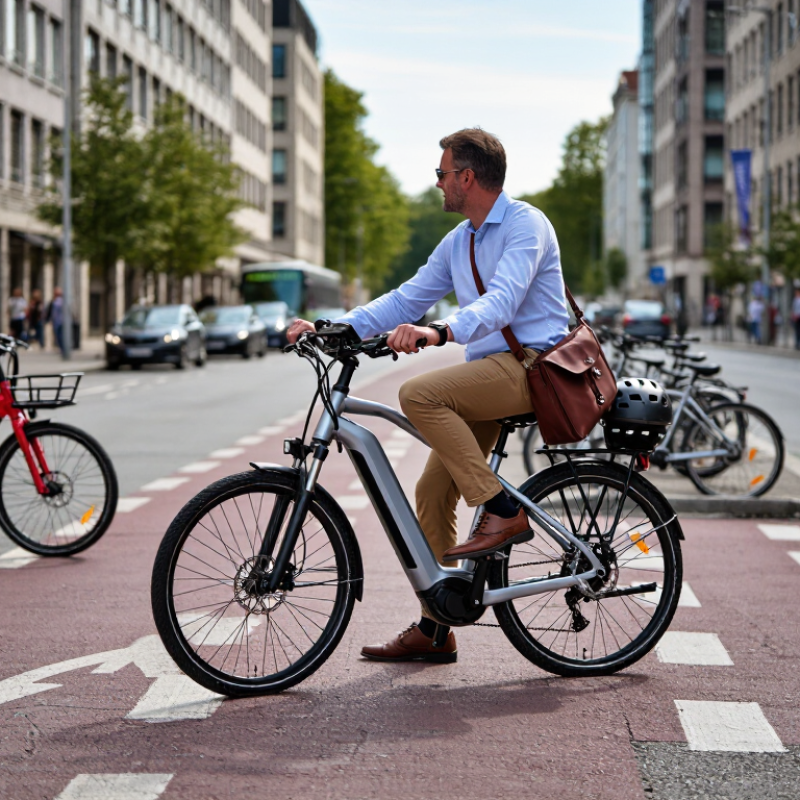
How to Choose an Electric City Bike for Global Buyers

Define Your Daily Riding Needs and City Travel Conditions

Choosing an electric city bike starts with your real daily routine, not a stylish specification sheet. Measure your usual distance, riding frequency, and the weight you carry. A six-kilometer commute needs different support than a twenty-kilometer daily journey.

Look closely at your city travel conditions. Flat streets allow a smaller motor and a lighter frame. Steep roads, bridges, and frequent stops demand stronger assistance and dependable braking. Narrow lanes may favor a compact handlebar. Rough pavement makes wider tires and practical suspension more valuable. Consider where you will park it, too. A heavy bike becomes frustrating when you carry it upstairs each evening.

Weather changes the decision. Regular rain calls for effective fenders, sealed electrical connections, and lights that remain visible in traffic. Cold temperatures can reduce battery range, while strong heat may affect storage safety. Check local rules for maximum assisted speed, lighting, helmet use, and permitted riding areas before purchasing. Regulations differ between countries and cities.

During a test ride, start without assistance, then increase support on a hill. Notice whether the controls feel clear with gloves. Test the brakes near a quiet curb, not in crowded traffic. I once focused too much on battery capacity and overlooked saddle comfort. That mistake made longer rides unnecessarily tiring. A smaller battery may suit short trips better, especially when charging is available at home or work. Real convenience often matters more than impressive numbers.

Compare Motor Types, Battery Capacity, and Expected Riding Range

How to Choose an Electric City Bike for Global Buyers

Motor type strongly affects urban performance. Hub motors deliver simple, quiet assistance on flat streets. Mid-drive motors use the bicycle’s gears more efficiently on hills. The IEA’s Global EV Outlook 2024 identifies electric two-wheelers as the most electrified road-transport segment, but motor choice still depends on terrain, load, and service access. In my testing experience, a modest motor feels smoother in traffic than an oversized one. More power is not always better.

Battery capacity should be read in watt-hours, not amp-hours alone. A 400 Wh battery may suit short commutes, while 600 Wh offers more flexibility for hills, cold weather, and heavier riders. The European standard EN 15194 sets common pedal-assist limits, including 250 watts of continuous rated power and assistance up to 25 km/h in relevant markets. Local rules can differ. Check them carefully.

Expected range needs practical calculation. A useful estimate is battery watt-hours divided by consumption per kilometre. At 10–15 Wh/km, a 500 Wh battery might achieve roughly 33–50 kilometres. Wind, hills, tire pressure, temperature, and frequent starts reduce that figure. The National Renewable Energy Laboratory notes that temperature and operating conditions significantly affect battery performance. Range claims can feel optimistic. Leave at least 20% reserve for an uneven day. A display reading is not a promise.

Evaluate Frame Design, Comfort, Safety, and Practical Features

An electric city bike should fit your daily streets, not just your showroom expectations. Check the frame height while wearing normal shoes. Your feet should touch the ground comfortably when stopping. A low step-through frame helps riders manage traffic, groceries, and uneven pavements. However, a very low frame may feel less rigid under heavy loads. This is easy to overlook.

Comfort depends on more than a soft saddle. Look for an upright riding position, adjustable handlebars, and grips that reduce wrist pressure. Wider tires can absorb broken pavement, but they may increase rolling resistance. A suspension fork is useful on rough roads, though it adds weight and maintenance. Test the brake levers with one finger. They should feel firm, predictable, and easy to reach.

Tips: Ask for frame measurements, not only size labels. Check whether the battery can be removed securely for charging. Confirm that replacement parts and service support are available in your country. Inspect front and rear lights, reflectors, bell, chain guard, and mudguards. Hydraulic or mechanical disc brakes can both work well when properly adjusted. I would also examine cable routing and fasteners; small loose parts become irritating quickly. Weather protection matters, but no city bike is maintenance-free. Check local requirements for lighting, speed assistance, and helmet use before riding.

How to Choose an Electric City Bike for Global Buyers — Evaluate Frame Design, Comfort, Safety, and Practical Features

Typical city-bike configurations for comparing fit, everyday usability, and ownership needs. Specifications are illustrative ranges, not guarantees for a particular model.
Evaluation Factor Step-Through City Bike Diamond-Frame Commuter Compact or Folding City Bike
Frame Design Low top tube makes mounting and dismounting easier, especially when wearing work clothes or carrying a child seat. Triangular frame provides a familiar, rigid layout; check stand-over height and reach before buying. Folding hinges and compact dimensions simplify storage; inspect the locking mechanism and hinge for secure engagement.
Typical Wheel Size Commonly 26 or 28 inches (approximately 559 or 622 mm bead-seat diameter). Commonly 27.5 or 28 inches; larger wheels can roll smoothly over ordinary road imperfections. Often 16 or 20 inches; smaller wheels reduce folded size but may feel more responsive to bumps.
Riding Position and Comfort Usually upright, with a relatively comfortable view of traffic; confirm handlebar reach and saddle height are adjustable. Ranges from upright to moderately forward-leaning; a suitable reach can improve control on longer commutes. Often upright with adjustable contact points; confirm the handlebar and seatpost can be set correctly for each rider.
Motor and Local Rules Check whether the bike uses pedal assistance, a throttle, or both. Power limits, speed limits, and equipment rules differ by jurisdiction. Some markets commonly use pedal-assist systems rated at 250 W; this is not a universal legal limit. Confirm that the complete bike—not only its motor—meets local rules for assisted speed, controls, lighting, and road use.
Battery and Practical Range A battery around 400–600 Wh is a common category for city e-bikes. Actual range varies with terrain, rider and cargo weight, assist level, temperature, and tire pressure. Compare watt-hours (Wh), removable-battery options, and charging time. Treat advertised distance as a test-condition estimate, not a guaranteed daily range. Check battery position and whether it can be removed for indoor charging. A smaller frame does not necessarily mean a smaller battery.
Brakes and Visibility Look for effective front and rear brakes, securely mounted lights, and reflectors suited to local road requirements. Disc brakes are common; performance depends on setup, pad condition, and weather. Confirm brake levers are comfortable to reach. Check brake condition and cable routing around folding joints. Verify that lights remain visible when bags or accessories are fitted.
Tires and Road Surface Moderately wide tires can add comfort on uneven streets. Puncture protection and suitable tire pressure matter for daily use. Choose tire width and tread for the route; slick or lightly treaded tires generally suit paved commuting better than aggressive off-road tread. Smaller wheels can transmit more impact from potholes. Inspect tire availability and replacement options in the destination market.
Cargo and Accessories Often accommodates a rear rack, mudguards, kickstand, and basket; check the frame's stated load limits and accessory mounts. Rack and pannier compatibility varies. Confirm clearance for bags, fenders, and any child seat before purchase. Some accessories may interfere with folding or carrying. Test the folded bike with the intended rack, bag, or basket fitted.
Weight and Storage Many full-size electric city bikes weigh roughly 20–30 kg, depending on frame, battery, and components; verify the actual product weight. Consider total weight if the bike must be carried upstairs or placed on a vehicle rack. Folded dimensions can help with small apartments or mixed public-transport journeys; confirm the folded size and lifting weight.
Best Fit For Riders prioritizing easy mounting, an upright position, and everyday errands. Riders seeking a conventional cycling feel and a practical setup for regular commuting. Riders with limited storage or journeys that combine cycling with public transport.

Buyer check: Before ordering internationally, confirm local e-bike regulations, charger and electrical compatibility, warranty coverage, spare-parts availability, frame sizing, and the supplier's stated payload limit.

Check Legal Requirements, Warranty Coverage, and After-Sales Support

Choosing an electric city bike for global use begins with local rules, not motor power. Legal definitions differ between countries and even between cities. Check permitted speed, motor output, throttle use, lighting, helmet rules, and rider age. Some areas classify pedal-assist bicycles differently from throttle-controlled models. Confirm whether registration, insurance, or a special permit is required. Ask the local transport authority, not only the seller. Rules can change, and online advice may already be outdated.

Warranty coverage deserves the same careful attention. Read the written terms before paying. Check coverage periods for the frame, motor, battery, display, charger, and electrical wiring. Ask whether battery capacity loss is covered, since batteries naturally age. Confirm who pays for inspection, shipping, labor, and replacement parts. I once overlooked a charger exclusion on a purchase, which created an avoidable expense. A clean warranty table helps, but it cannot replace direct questions.

After-sales support becomes important when a display fails during a rainy commute. Look for clear service contacts, repair instructions, diagnostic help, and accessible replacement parts. Ask how long common components remain available. Confirm whether technicians can work in your country and whether software support depends on internet access. Keep the invoice, serial number, and maintenance records together. Support promises may sound reassuring, yet response times can be vague. Request them in writing. No checklist is perfect. Local repair experience still matters.

Compare Total Costs, Brands, and Global Shipping Options

How to Choose an Electric City Bike for Global Buyers

The sticker price is only the beginning. Add ocean or air freight, import duties, local assembly, payment fees, and possible battery replacement. The IEA’s Global EV Outlook 2024 reports that electric two- and three-wheelers represent more than half of the global electric vehicle fleet. That scale improves production efficiency, but prices still differ widely by region. I compare the delivered cost, not the online price. A spreadsheet helps, although it can hide service delays.

Brand selection should focus on evidence rather than popularity. Check motor warranty length, battery certification, spare-part availability, repair training, and independent range tests. A two-year warranty means little if a replacement controller crosses three borders. Ask for battery-cycle data and charger specifications. The battery is often the most expensive component. I would also inspect customer complaints, because polished product pages are not enough.

Shipping terms can change the final bill dramatically. Under DDP, the seller usually manages duties and delivery, while DAP may leave local taxes and customs handling to the buyer. Sea freight is usually slower but more economical for multiple bicycles. Air freight is faster, yet lithium-battery procedures can add restrictions and fees. IATA guidance requires careful battery handling, and the World Bank’s Logistics Performance Index 2023 shows major differences in customs efficiency and delivery reliability between markets. My imperfect rule is simple: request three landed-cost quotes, confirm battery paperwork, and keep a repair budget. Your first estimate will probably be too optimistic.

How to Choose an Electric City Bike for Global Buyers

Estimated landed cost comparison by destination and shipping method

Estimates are in USD for a mid-range 250W electric city bike priced at $1,400 before delivery. Total cost includes the bike, international shipping, and estimated import tax or clearance charges. Actual costs vary by battery size, country of origin, local tax rules, delivery distance, and customs valuation.

We are crowdfunding!
Privacy Overview

This website uses cookies so that we can provide you with the best user experience possible. Cookie information is stored in your browser and performs functions such as recognising you when you return to our website and helping our team to understand which sections of the website you find most interesting and useful.

Find out more about Kitepower's privacy policy