
How to Choose the Best Loading Conveyor for Your Business?

Choosing the right loading conveyor is crucial for any business. It directly affects productivity and efficiency. Different industries have unique requirements. Therefore, selecting the most suitable loading conveyor involves careful consideration.

A loading conveyor should be reliable and durable. It’s essential to evaluate various options. Consider factors such as weight capacity, speed, and incline. Each business has its specific handling needs. Not every conveyor will meet these demands. Engaging with experienced suppliers can offer valuable insights into which models are best.

Understanding your workflow is key. Look at your current processes. Identify bottlenecks and inefficiencies. A good loading conveyor can streamline operations. However, the wrong choice can lead to more problems. It’s important to reflect on past experiences and learn from them. This ensures a better selection process moving forward.
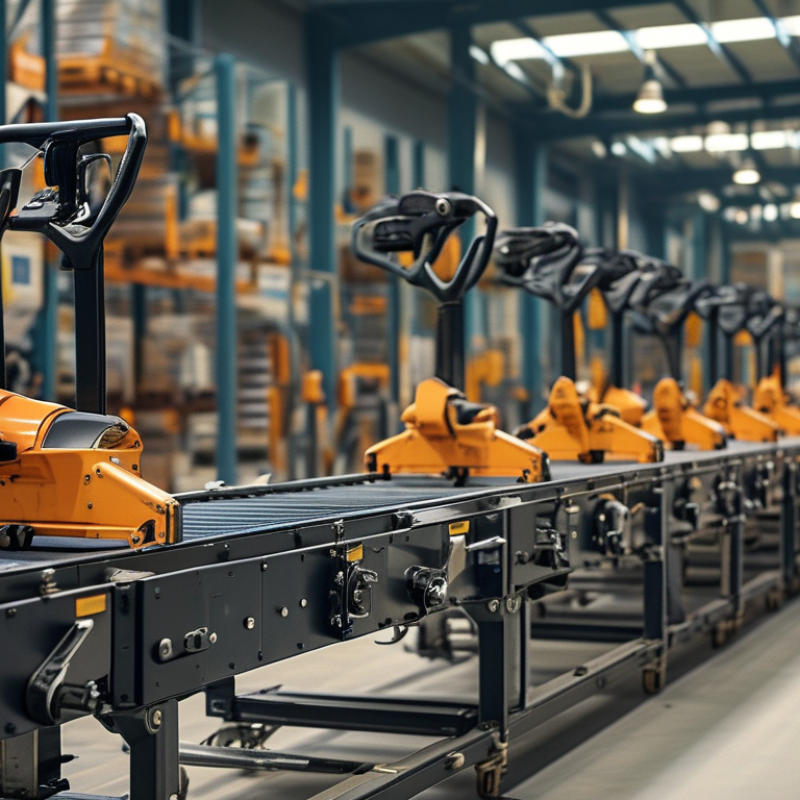
How to Choose the Best Loading Conveyor for Your Business?

Understanding the Types of Loading Conveyors Available in the Market

When selecting loading conveyors, understanding the various types is crucial. Each type serves a unique purpose in different industries. Common types include belt conveyors, roller conveyors, and screw conveyors. Belt conveyors are widely used for their versatility and ease of movement. They transport a range of materials, from light packages to heavy bulk items. Roller conveyors excel in handling flat-bottom objects, making them ideal for warehouses and sorting facilities.

Tips on choosing the right conveyor include assessing the material type you'll be handling. Consider weight, size, and shape. This evaluation is essential for efficiency. Don't overlook the environment in which the conveyor will operate. Factors like space limitations and temperature can impact performance.

Another point to ponder is maintenance. Opt for conveyors that are easy to service. This ensures minimal downtime in operations. Connectivity with existing systems is also vital. Ensure your Conveyor system can integrate smoothly with your current equipment. A mismatch can lead to disruptions and inefficiencies in workflow.

How to Choose the Best Loading Conveyor for Your Business?

Type of Conveyor Load Capacity (kg) Belt Width (cm) Speed (m/s) Common Applications
Bucket Conveyor 300 30 0.5 Bulk materials, grains
Belt Conveyor 500 50 1.5 Assembly lines, packaging
Roller Conveyor 250 40 1.0 Luggage, boxes
Spiral Conveyor 150 25 0.3 Vertical transport, small items

Assessing Your Business Needs and Conveyor Requirements

When selecting a loading conveyor, it’s crucial to assess the specific needs of your business. Start by examining the types of materials you will be handling. Different conveyors accommodate varying weights, sizes, and shapes. Knowing your average load will help in choosing the right design. Frequent changes in product dimensions can require versatility in your conveyor system.

Think about the layout of your workspace as well. The space available can dictate conveyor length and orientation. Consider whether an inclined or flat conveyor is best for your setup. Gauge the speed requirements for loading efficiency as well. This balance can affect your overall operational productivity.

Additionally, reflect on the safety factors that should be prioritized. Safety regulations vary by industry. Ensure that your chosen conveyor system complies with these standards. Unexpected issues may arise, so investing in a solution that accommodates potential changes is vital. Overall, taking these specific considerations into account helps you choose a conveyor that not only meets immediate demands but also supports future growth.

Evaluating Conveyor Materials and Durability for Long-Term Use

When selecting a loading conveyor, material choice and durability are crucial. Different materials offer varying levels of strength and resistance to wear. For heavy-duty applications, steel conveyors might be preferred. They can withstand significant weight and rough conditions. However, they may rust without proper maintenance. This requires regular inspections and careful consideration of your environment.

Plastic conveyors are lighter and more resistant to corrosion. They can handle gentle products effectively. Although they are not as durable as metal options, they may suit certain industries well. Evaluating the specific needs of your operation is necessary. Will the conveyor face high loads or abrasive materials? These factors influence material decisions.

Durability is not just about material. Design factors weigh heavily too. A well-designed conveyor can last longer and require less maintenance. Regular wear and tear need to be assessed. Over time, even the best materials can fail. Continuous evaluation is key to ensuring a long service life. Reflecting on past conveyor performance can inform future choices. It helps to understand what worked and what needed change.

Considering Space and Layout Constraints for Conveyor Installation

When planning the installation of a loading conveyor, considering space and layout constraints is essential. The area where the conveyor will be placed significantly affects its efficiency and functionality. If the space is limited, a modular conveyor system may be an ideal choice. These systems can be tailored to fit into tight spaces and configured in various layouts, allowing seamless integration into existing workflows.

Understanding the layout is equally crucial. Identify where the conveyor will start and end. Consider pathways for operators and other equipment. Sometimes, overlooked areas can lead to major congestion. If the conveyor isn't properly aligned, it might create bottlenecks instead of enhancing productivity. You may also need to assess overhead clearance and adjust the design accordingly to avoid any potential hazards.

Be mindful of flexibility as well. If your business scales or modifies its processes, the conveyor should adapt easily without extensive redesign. Reflecting on your specific needs and layout will help narrow down your options. While it might be tempting to go with the most complex system available, simpler solutions often yield better results. Prioritizing practical solutions in your layout will lead to a more efficient operation in the long run.

Analyzing Cost-Effectiveness and Maintenance of Loading Conveyors

When considering loading conveyors, cost-effectiveness and maintenance play crucial roles. Recent studies indicate that businesses can save up to 20% on operational costs by selecting the right conveyor system. However, choosing a system solely based on initial costs can lead to hidden expenses. These might include frequent repairs or inefficient energy consumption. According to analysis from industry experts, long-term maintenance can account for over 30% of the total conveyor life cycle cost.

Selecting a conveyor with lower maintenance demands may require a higher upfront investment. Research shows that high-quality components can significantly reduce the frequency of breakdowns. For instance, conveyors using durable belts and robust motors tend to last longer. A well-maintained conveyor not only operates efficiently but also enhances overall productivity. Insufficient attention to maintenance schedules often results in unexpected downtimes, which can be disruptive and costly.

Additionally, assessing labor implications is essential. Automated systems often reduce the need for manual handling, leading to fewer injuries and lower labor costs. However, automation requires a different set of maintenance skills. It is crucial that the chosen conveyor aligns with existing maintenance capabilities within the business. Regular training for staff can mitigate potential pitfalls in handling complex equipment, ultimately affecting the overall effectiveness of your investment in a loading conveyor.

Cost-Effectiveness and Maintenance Analysis of Loading Conveyors

We are crowdfunding!
Privacy Overview

This website uses cookies so that we can provide you with the best user experience possible. Cookie information is stored in your browser and performs functions such as recognising you when you return to our website and helping our team to understand which sections of the website you find most interesting and useful.

Find out more about Kitepower's privacy policy