
Choosing the right Traffic Control Safety Vest is crucial for ensuring safety in any work environment. Expert John Smith, a veteran in traffic management, states, "A well-chosen vest not only enhances visibility but also fosters a culture of safety." His experience highlights the importance of selecting vests that meet specific needs.
When shopping for a Traffic Control Safety Vest, consider various factors. The vest's visibility, comfort, and durability can greatly affect your performance. It’s essential to examine fabrics, reflective materials, and fit. An ill-fitting vest can hinder movement and reduce safety, leading to potential hazards.
Not every vest meets the same standards. Some may look good but lack proper certification. Reflect on your work conditions. A vest suitable for road construction might not suffice in urban traffic settings. A thoughtful selection can make all the difference in safety outcomes on the job.
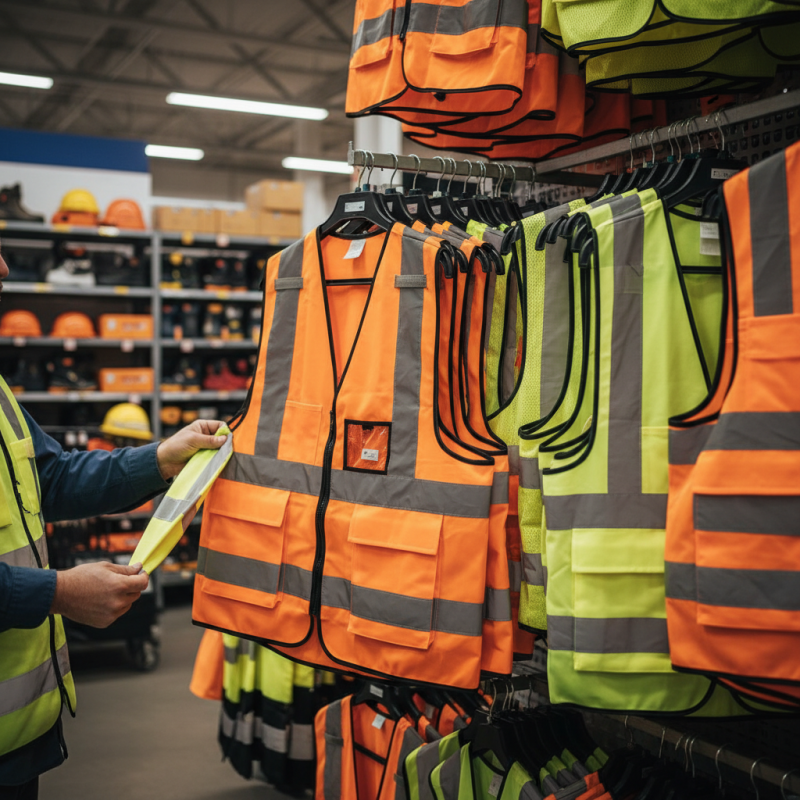
Traffic control safety vests play a crucial role in ensuring the safety of workers in high-risk environments. Studies indicate that wearing high-visibility vests can reduce accidents by up to 50%. These vests help workers stand out in traffic, making it easier for drivers to see them, especially in low-light conditions. With increased road construction and urban development, the demand for effective traffic control gear has surged.
When choosing a safety vest, consider the material and color. Vests made from breathable fabrics enhance comfort, especially in hot weather. Bright colors, such as fluorescent yellow or orange, are highly visible. According to the Occupational Safety and Health Administration (OSHA), compliance with visibility standards is critical for worker safety. It's not just about aesthetics; correct visibility can mean the difference between an accident and a safe working environment.
Tips for selecting the right vest include checking for certification marks that ensure compliance with safety regulations. Look for features like reflective strips for added visibility at night. Ensure the vest fits well but allows for movement. Regularly inspect your vest for wear and tear; a damaged vest may not offer the protection needed. Prioritize safety over comfort—it’s an investment in life.
When selecting a traffic control safety vest, understanding the types available is crucial. There are primarily two categories: Type R (roadway) and Type P (public). Type R vests are designed for highway use, offering high visibility to drivers. In contrast, Type P vests are often used in pedestrian settings, ensuring safety from pedestrians and local traffic. According to a 2022 safety equipment report, visibility can reduce accidents by up to 40% when proper PPE is utilized.
For optimal safety, the vest's bright colors and reflective stripes are critical. Daytime use typically requires vests in fluorescent orange, yellow, or lime colors. The reflective material should meet ANSI/ISEA standards to ensure maximum visibility at night. A 2023 workplace safety analysis noted that choosing a vest with larger reflective areas significantly increases visibility levels.
Tips for choosing the right vest include assessing your work environment. If you work in low-light areas, prioritize vests with enhanced reflective materials. Additionally, consider the vest's fit—loose enough for comfort but snug enough to avoid snagging. Remember that while having safety gear is essential, not all vests may meet specific job site requirements, prompting a need for careful selection and regular checking.
| Type of Vest | Visibility Level | Material | Features | Usage |
|---|---|---|---|---|
| Class 2 Safety Vest | Medium Visibility | Polyester | Reflective Strips, Pockets | Road Work, Events |
| Class 3 Safety Vest | High Visibility | Mesh, Polyester | Multi-Pockets, Zipper | Construction Sites, Emergency Services |
| Fire Resistant Vest | Medium Visibility | Nomex, Polyester | Flame Resistant, Reflective | Firefighting, Hazardous Work Areas |
| Heavy-Duty Safety Vest | High Visibility | Durable Polyester | Double stitching, Waterproof | Traffic Control, Heavy Machinery |
| Economical Safety Vest | Low to Medium Visibility | Lightweight Polyester | Basic Reflective Tape | General Use, Budget-Friendly |
When selecting a traffic control safety vest, certain key features make a significant difference. A bright color is essential. Neon yellow or orange enhances visibility, especially in low light. Look for vests made with reflective materials. These materials reflect light from vehicles, increasing your safety. The more reflective strips, the better. Comfort is also important. A vest should allow for easy movement. Consider adjustable features that accommodate various body shapes and sizes.
Durability is another critical element. A quality vest should withstand wear and tear. Look for materials that resist tearing and fading. Some vests include pockets for tools or documents, adding functionality. However, ensure these pockets don’t compromise safety. They should remain secure even when carrying items. Breathable fabric is essential for warm weather. It helps keep you cool and comfortable.
Ultimately, the right vest blends functionality with safety features. Think about your specific needs. Identify the type of traffic control you will be involved in. Not all vests are created equal. Take time to reflect on what aspects matter most to you. A thoughtful choice can enhance safety on the job.
Choosing the right traffic control safety vest hinges on sizing and fit. A well-fitting vest is essential for optimal comfort and effective visibility. Studies show that up to 80% of safety issues can stem from improper gear, including vests that are too tight or loose. A vest should allow for a full range of motion and must be adjustable to fit various body types.
When considering fit, users should measure their chest and waist accurately. A snug fit can trap heat, risking heat-related illnesses at work sites. Reports indicate that 30% of workers report discomfort due to poorly fitted gear, leading to decreased productivity. The vest should be long enough to cover lower back areas, especially when bending or reaching.
Color and reflective materials are critical, too. Bright colors improve visibility, especially in low-light conditions. Additionally, look for vests with adjustable straps. This allows for customization, tailoring the fit to individual needs. Skimping on fit not only compromises safety but may also impact the wearer’s ability to perform tasks effectively. The balance between comfort and safety is essential, and a well-fitted vest significantly enhances both.
When selecting a traffic control safety vest, understanding compliance with local safety standards is critical. Regulations often vary by region, and it's essential to verify which standards apply to your area. The American National Standards Institute (ANSI) and similar organizations set guidelines for visibility and material quality. These standards ensure workers are easily seen, especially in low-light conditions.
Check if your intended vest meets the required class standards. Class 1 vests are suitable for low-risk environments, while Class 2 and Class 3 provide higher visibility for more hazardous settings. Sometimes, it’s easy to overlook specific requirements, like additional reflectors or fluorescent colors. Each detail matters; non-compliance can lead to fines or, worse, accidents.
Choosing a vest that complies with regulations can feel overwhelming. Look for certifications and labels that indicate adherence to safety standards. However, not every vest labeled as compliant truly meets the standards. Research is necessary to ensure you’re making an informed decision. Don't just rely on a label; double-check with local guidelines to avoid unexpected consequences.